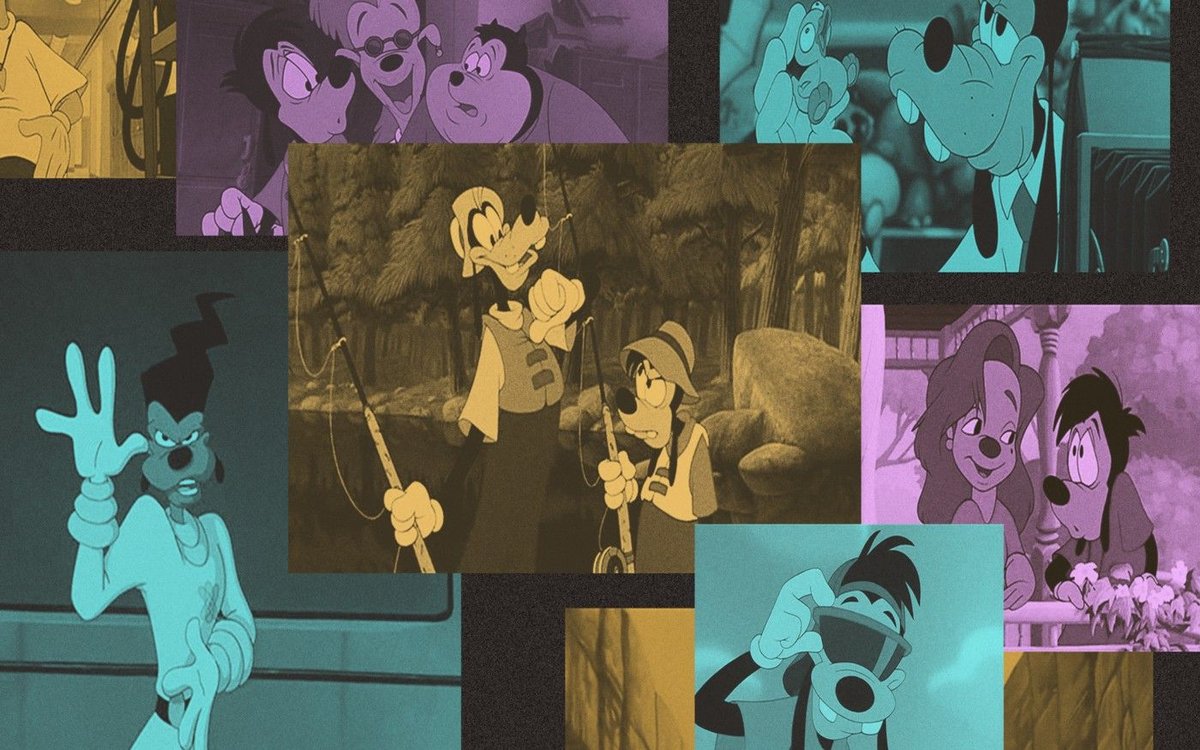
Few films released with a modest budget and lukewarm initial reception manage to carve out a permanent, beloved niche in the cultural consciousness. Yet, against all odds, A Goofy Movie has done exactly that. Released in 1995, this animated feature started as an extension of a TV show and became so much more, cementing its place in A Goofy Movie's enduring cultural legacy as a foundational text for an entire generation, particularly resonating deeply within the Black community to become a bona fide Black millennial classic.
It's a story of a father, a son, a cross-country road trip, and a fictional pop star whose songs still hit harder than they have any right to. But beneath the surface of cartoon capers lies a timeless tale of identity, belonging, and the often-fraught journey from childhood to young adulthood that continues to speak volumes today.
At a Glance: Why A Goofy Movie Matters
- Humble Beginnings, Mighty Impact: Started as a spin-off from the Goof Troop TV series, produced on a low budget, and released with minimal fanfare in 1995.
- The Heart of the Story: Explores the universal, often awkward, dynamic between Goofy, a well-meaning but overbearing dad, and his rebellious teenage son, Max.
- A Soundtrack that Slaps: Its R&B and pop-infused soundtrack, featuring real-life R&B star Tevin Campbell as the voice of Powerline, became a defining element.
- Cult Classic Status: Initially a box office underperformer, it found its true audience through home video, cable TV, and the internet.
- A Black Millennial Touchstone: Widely embraced by the Black community, thanks to its soundtrack, relatable family dynamics, and Powerline's iconic persona, earning it the moniker "the blackest Disney film of that era."
- Enduring Legacy: Continues to inspire memes, fan art, merchandise, and even serious cultural analysis decades later.
The Unlikely Origin Story of a Classic
In the early 1990s, the world knew Goofy as a lovable, if somewhat clumsy, single dad from the Disney afternoon cartoon Goof Troop. It was a charming show, but hardly a blockbuster in the making. So, when DisneyToon Studios, a division known for direct-to-video sequels and lower-budget projects, decided to greenlight a feature film based on Goofy and his son Max, expectations were, shall we say, modest.
Directed by Kevin Lima, A Goofy Movie hit theaters on April 7, 1995. Its plot was straightforward: Goofy, worried about Max's teenage rebellion and his burgeoning interest in a girl named Roxanne, decides to embark on a cross-country fishing trip to rekindle their father-son bond. Of course, Max has other plans involving a concert by the mega-pop star Powerline, leading to a hilarious and heartfelt clash of generations.
Production was a lean affair, even taking place in Paris, France, as a cost-saving measure. The voice cast brought the characters to life with remarkable depth: Bill Farmer as the eternally optimistic Goofy, Jason Marsden as the angsty Max, and Jim Cummings as the ever-grumpy Pete. Additional voices from talents like Pauly Shore and, crucially, Tevin Campbell, rounded out the ensemble.
With an $18 million budget, A Goofy Movie earned a respectable, though not spectacular, $37.6 million at the box office. This wasn't the kind of haul that screams "classic." In fact, it was largely seen as a low-priority experiment for Disney, which at the time was riding high on its "Renaissance" era blockbusters like The Lion King and Beauty and the Beast. So, how did a film that barely made a splash initially become such a powerful cultural force?
Soundtracking a Generation: The Powerline Phenomenon
You can't talk about A Goofy Movie without talking about its music. The soundtrack, with its infectious blend of pop, R&B, and soul, isn't just background noise; it's practically a character in itself. This was a deliberate choice, and it paid off immensely, becoming arguably the film's most significant contribution to its lasting legacy.
The film's fictional pop star, Powerline, voiced by the real-life R&B sensation Tevin Campbell, became an instant icon. Campbell's tracks, "Stand Out" and "I 2 I," are not merely catchy tunes; they are integral to the film's narrative and emotional core. "Stand Out" perfectly encapsulates Max's longing for independence, his desire to be seen and recognized beyond his father's shadow. It's the anthem of every teenager who’s ever felt misunderstood or wanted to prove themselves. "I 2 I," on the other hand, provides the powerful climax, underscoring the reconciliation and understanding between Goofy and Max, culminating in that unforgettable stage performance.
These songs transcended the film itself. They lived on radio waves, on mixtapes, and in the hearts of fans, solidifying Powerline's status as a symbol of '90s pop culture cool. Decades later, the energy and spirit of these tracks continue to resonate, proving that a well-crafted soundtrack can truly make a movie immortal. For a deeper dive into the phenomenon surrounding this animated superstar, check out our Goofy Movie Powerline hub.
Beyond Campbell's showstoppers, the score by Carter Burwell (known for his work with the Coen Brothers) provided a nuanced backdrop, blending humor with genuine pathos, proving that even a "Goofy" movie could benefit from sophisticated musical direction.
The Second Life: From VHS to Viral Memes
Initially, A Goofy Movie faced an uphill battle. Its low-key April release, coupled with modest marketing, meant it wasn't positioned for immediate breakout success. Disney's primary focus was elsewhere, on its animated epics and the burgeoning direct-to-video market for sequels to those hits. A Goofy Movie was something of an outlier, a theatrical experiment that seemed to fade quickly from the public eye.
However, the story didn't end there. Like many cult classics, A Goofy Movie found its second wind through the power of home media. VHS copies circulated widely, passed from friend to friend, becoming a staple of sleepovers and family movie nights. Cable TV airings further expanded its reach, introducing it to new audiences who might have missed it in theaters.
This slow burn eventually erupted into a full-blown resurgence with the advent of the internet. Online communities and social media platforms became fertile ground for fans to rediscover and celebrate the film. Powerline’s dynamic dance moves and Goofy's most memorable (and meme-worthy) moments were clipped, shared, and endlessly reinterpreted. From GIFs to TikTok trends, the film's visual gags and musical numbers became viral sensations, introducing it to yet another generation who, in turn, embraced its charm and heart. This organic, fan-driven propagation is a testament to the film's inherent quality and timeless appeal, demonstrating how audiences can collectively elevate a film beyond its initial commercial performance.
A Black Millennial Touchstone: Why A Goofy Movie Resonates So Deeply
Perhaps the most remarkable aspect of A Goofy Movie's enduring cultural legacy is its deep, undeniable connection to the Black community, particularly Black millennials. What began as a quiet appreciation has blossomed into widespread recognition, with the film being frequently lauded as "the blackest Disney film of that era." This phenomenon was even explored in the Disney+ documentary Not Just a Goof, highlighting its unique cultural footprint.
So, why this profound resonance? Several factors converge to create this powerful bond:
- The R&B Infusion: The soundtrack is the undisputed heavyweight champion here. The inclusion of Tevin Campbell, a prominent Black R&B artist of the '90s, as the voice and singing talent for Powerline, was a game-changer. Powerline isn't just any pop star; he embodies a specific blend of '90s Black pop culture cool, energy, and aspirational charisma. His music felt authentic, relatable, and spoke directly to the musical sensibilities prevalent in Black households.
- Relatable Family Dynamics: While universal in its themes of father-son bonding, teenage rebellion, and seeking independence, the specific portrayal of Goofy and Max's struggles resonated strongly with Black family dynamics. The loving but sometimes overbearing parent, the striving teenager wanting to forge their own path, the desire to connect despite generational gaps – these are experiences deeply understood and appreciated within the Black community. It mirrored the humorous, challenging, and ultimately loving relationships many experienced at home.
- Powerline as an Aspirational Figure: Powerline's character became more than just a pop star; he was a symbol of success, talent, and effortless cool. For many Black viewers, seeing a figure who exuded such charisma and commanded such a stage, coupled with Campbell's voice, was a powerful and inspiring representation. It tapped into a shared cultural space where music and performance were central to identity and celebration.
- Word-of-Mouth & Social Amplification: This connection has been amplified exponentially through social media. Black millennials, armed with platforms like Twitter, Instagram, and TikTok, have shared their collective experiences and appreciation for the film, solidifying its status. This communal recognition has, in turn, educated newer generations about its significance. The film's influence is so pervasive that it was even parodied in the FX series Atlanta (Season 4 episode "The Goof Who Sat by the Door"), a testament to its embeddedness in modern Black cultural discourse.
As director Kevin Lima himself noted, A Goofy Movie "lives in the DNA" of Black culture. It's a film that transcended its origins to become a vital part of a community's shared experience, proving the power of representation and culturally resonant storytelling, even when it’s presented through anthropomorphic dogs.
Beyond the Box Office: Was It Really a Disney Renaissance Film?
This is a common point of discussion among animation fans. While A Goofy Movie came out right in the heart of the "Disney Renaissance" (roughly 1989-1999), a period marked by critically acclaimed and commercially successful films like The Little Mermaid, Beauty and the Beast, Aladdin, and The Lion King, it wasn't technically part of that esteemed lineup.
The key distinction lies in its production studio. A Goofy Movie was produced by DisneyToon Studios, a separate entity often tasked with creating direct-to-video sequels or films with smaller budgets and a different creative pipeline than Walt Disney Animation Studios, which produced the Renaissance blockbusters. This explains its more modest animation style compared to the grand, expensive productions of the Renaissance.
Despite this technicality, for many viewers, A Goofy Movie feels like a Renaissance-era film. Its high-quality storytelling, memorable characters, and iconic songs often lead people to mistakenly group it with those classics. This speaks volumes about its quality and impact: it achieved a level of cultural resonance typically reserved for Disney's main theatrical releases, effectively punching far above its weight class. It’s a cult classic that earned its place in the popular imagination through sheer heart, not just a massive marketing budget.
The Enduring Legacy: Inspiring New Generations
Nearly thirty years after its debut, A Goofy Movie isn't just remembered; it's actively celebrated. Its enduring popularity is evident in a multitude of ways:
- Fan Tributes and Art: The internet is awash with fan art, cover versions of Powerline songs, fan fiction, and discussions dissecting every nuance of the film. This active community keeps the film alive and introduces it to new viewers.
- Merchandise: Demand for A Goofy Movie merchandise, particularly items featuring Powerline or classic Goofy-Max moments, remains strong. Apparel, collectibles, and even special releases continue to be popular, decades after the film's release.
- Sequel Success: The film even spawned a 2000 direct-to-video sequel, An Extremely Goofy Movie, which, while not achieving the same iconic status as its predecessor, further explored the Goofy and Max dynamic as Max navigated college life.
- Inspiration for Creators: Perhaps most importantly, the film continues to inspire future creators. Its blend of humor, heart, and catchy music serves as a blueprint for engaging storytelling. Its success as a cult classic also offers a powerful lesson: true artistic value and cultural impact aren't always immediately apparent or tied to initial box office numbers. Art can find its audience over time, build organic communities, and grow into something far more significant than its creators might have initially envisioned.
A Goofy Movie stands as a testament to the idea that sometimes, the greatest impact comes from the most unexpected places. It's a vibrant reminder that stories of family, self-discovery, and the pursuit of dreams, when told with genuine heart and an unforgettable soundtrack, can resonate across generations and become true cultural touchstones.
Frequently Asked Questions About A Goofy Movie
Was A Goofy Movie a box office success?
Initially, no. While it earned more than its production budget ($37.6 million vs. $18 million), it was considered a modest performer at the time, especially compared to the Disney Renaissance blockbusters. Its true success came later through home video and cultural re-evaluation.
Is Powerline a real artist?
Powerline is a fictional character in A Goofy Movie. However, his singing voice and the performer behind his iconic songs, "Stand Out" and "I 2 I," is real-life R&B singer Tevin Campbell.
Why is A Goofy Movie so popular with Black millennials?
Its popularity stems from several factors: the R&B-infused soundtrack featuring Tevin Campbell, who was a popular Black artist in the '90s; the relatable father-son dynamic that resonated with universal and Black family experiences; and Powerline's aspirational persona, which captured the cool of '90s Black pop culture. This connection has been widely recognized and discussed, contributing significantly to its cult classic status within the community.
Is A Goofy Movie considered part of the Disney Renaissance?
Technically, no. It was produced by DisneyToon Studios, a separate division from Walt Disney Animation Studios, which created the films officially recognized as part of the Disney Renaissance (e.g., The Lion King, Aladdin). However, its quality and cultural impact lead many fans to group it with those films.
More Than Just Goofy: The Lesson of Lasting Impact
The journey of A Goofy Movie from a low-budget TV spin-off to a revered cult classic offers a powerful lesson to creators, consumers, and cultural commentators alike. It demonstrates that the initial reception of a work of art doesn't always dictate its ultimate value or its place in history. Sometimes, the most meaningful connections are forged quietly, in living rooms and online communities, over years, not weeks.
A Goofy Movie's enduring cultural legacy is a testament to the universal power of storytelling, the magic of a killer soundtrack, and the profound way audiences can claim and elevate a narrative that speaks to their unique experiences. It shows us that a "low-priority experiment" can become a high-impact classic, proving that heart and relatability often trump initial commercial hype, cementing its status not just as a beloved film, but as a vital piece of the cultural fabric, particularly for a generation that found its own story reflected in the most unlikely of places.